
Do you ever wake up and be like, it’s morning already? You snooze the alarm, roll over for a “few” more minutes.
For many, it is a daily ritual. It is a part of life. Isn’t that how it’s supposed to be? You live a little, you adjust a “little” with your sleep cycle. It’s the norm.
Well, not anymore, especially not for you. I am someone who has been in the lazy era for a while and exited finally. I have watched many videos, read blogs, followed motivational gurus and what not. Always spiralled back in.
You might not even be lazy in the first place but you are tagged as one. It could be various things such as no motivation, fear of failure, fear of success, feeling being left behind in life, or something totally different. Been there, felt that.
I will do a separate post on how to exit your lazy girl era successfully. Today’s post is about How To Wake Up Early & STILL Feel Good. Coming from a night owl.
Earlier, as a blogger, we needed to write to please Google so that Google would send us awesome readers. But Google has gone all AI so I can now blog like it’s the 2015 good old days. (Yep, that’s me. Blogging for over a decade!)
On to the article because although I can ramble now, but your time is precious to me.
How To Wake Up Early & Not Feel Like a Zombie
7 Self Care Habits That Make You Feel Refreshed After Waking Up
1. Get Full Sleep & Go Early to Bed

If you can only do one thing to wakeup early, it has to be this. You can skip other points in the article. If you do everything but not this, it is as good as being on square one.
Get complete sleep. Now science has a lot to say about it. Some call for an 8 hour sleep while others have different thoughts.
You do what works for you. But completing your sleep is one of the best way to wakeup on time.
Early to bed and early to rise, makes us healthy, wealthy and wise. So you also need to head to bed early. Good luck to all doom scrollers.
2. Find a Reason to Wake Up

I know, you must be like so we are being philosophical here. I get it. Sounds boring and it is. But not all step is gonna be exciting or giving you dopamine. Let’s be real with ourselves here.
Getting out of bed feels much easier when there’s something waiting for you on the other side. I’ve found that mornings become less of a struggle when I have a simple purpose planned ahead of time.
It doesn’t need to be anything huge or life-changing. Maybe you want to fit in a quick workout, write a few thoughts in a journal, map out your day, or catch up on the news while enjoying a cup of coffee.
(yea, i said cup of coffee. initially, you can’t boot caffeine if it’s a par of your morning habit. one step at a time. on a side note, it is better to plan the day ahead a night before and just get on with the list in the very morning.)
Walking your dog is also a nice purpose. You also get some fresh air.
Having a specific activity in mind gives your brain a destination instead of leaving you wondering why you should leave your warm bed at all.
3. Minimize Stimulants in the Late Afternoon

That late-day coffee or energy drink can linger in your system longer than you might expect.
Do you know energy drinks get a really bad score on this App Store app that I use for Eating Clean. (not sponsored)
Even if you feel sleepy at bedtime, stimulants may affect your sleep quality. It’s best to limit caffeine later in the day so your body has plenty of time to wind down naturally.
4. Sleep with Warm Clothes
Most people think staying cozy in bed helps them sleep better, but what you wear can also affect how easily you get up.
If you sleep in very light clothing, the temperature difference between your blankets and the room can feel unpleasant first thing in the morning.
That makes it tempting to stay under the covers longer. Wearing something warm like pajamas, a sweatshirt, or even a pair of socks can make the transition much smoother.
Since your body already feels comfortable, getting out of bed doesn’t seem like such a shock.
5. Place the Alarm Clock Far from Your Bed

Yup, time to trick yourself.
If your alarm is sitting right beside your pillow, you can usually silence it without even opening your eyes. That makes it incredibly easy to drift right back to sleep.
A simple trick I like is placing the alarm on a dresser, desk, or shelf across the room. When it starts ringing, you have no choice but to stand up and walk over to turn it off.
Once you’re already on your feet, going back to bed becomes a lot less appealing. It’s a small change, but it removes one of the biggest obstacles to waking up on time.
6. Optimizing Your Alarm
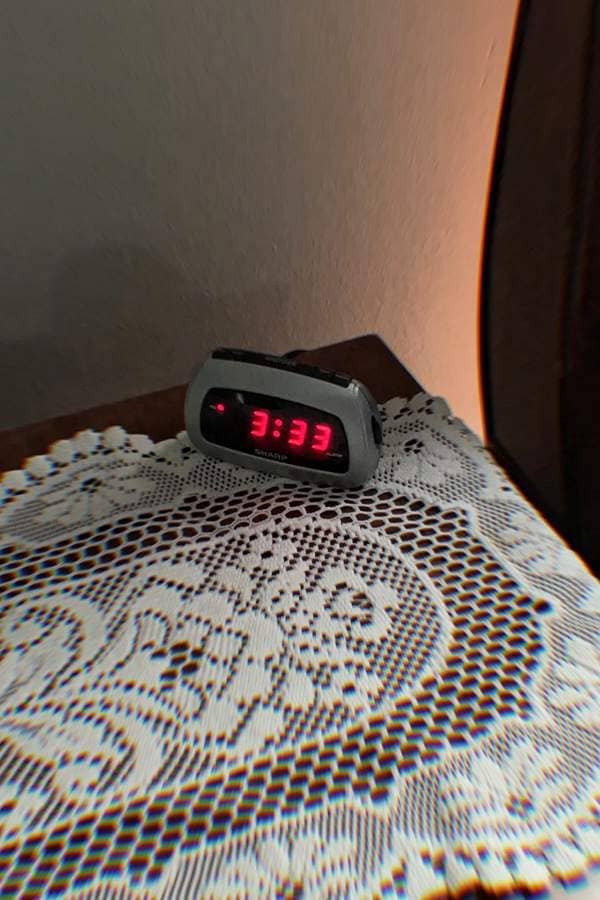
Not all alarms are created equal. If you’ve developed a habit of hitting snooze half-asleep, a standard alarm clock may not be enough to get you moving.
That’s where more interactive alarm systems can help. Some apps require you to solve math problems, complete a puzzle, scan an object, or even spin around before the alarm will stop ringing. (no sponsor as always. someone reach out and sponsor pls and thanks)
It might sound a little extreme, but these extra steps force your brain to become engaged instead of slipping back into sleep mode.
I like this approach because it turns waking up into an active process rather than a decision you make while still half asleep.
7. Be Realistic and Transition Gradually

One mistake I find people make is trying to completely overhaul their sleep schedule overnight. Girl bye.
If you’ve been waking up at 9 am for months, expecting yourself to suddenly jump to 6 in the morning usually ends in frustration. Your body needs time to adapt.
Instead, move your alarm a little earlier every few days. You might start with 8:00 am, and continue making small adjustments.
These gradual shifts feel much more manageable and help your new routine stick. It won’t leave you exhausted and tempted to quit.
8. Consistency
Waking up early isn’t something you do once and magically master forever. What really makes a difference is showing up for the habit day after day.
I know it’s tempting to sleep in when you don’t have work, school, or an early appointment. But those extra hours can make Monday morning feel much harder.
Try sticking to roughly the same bedtime and wake-up schedule throughout the week. If you find yourself awake earlier than usual on a free day, use that quiet time for something enjoyable or productive.
Read, exercise, plan your week, or work on a personal project before the day gets busy.
9. Pre-Bedtime Routine
A successful morning often starts the night before. If your mind is still racing when your head hits the pillow, falling asleep can become a challenge.
That’s why I like the idea of creating a simple wind-down routine that signals to your brain that the day is ending. A warm shower, a few minutes of meditation, light stretching, or even reading a chapter of a book can help you relax.
The goal isn’t to create a complicated ritual but to make bedtime feel predictable. When your body learns that these activities lead to sleep, drifting off often becomes much easier.
10. Managing Light and Screens

Light has a bigger impact on sleep than many people realize. If you’re scrolling through social media, watching videos, or answering emails right before bed, your brain may get the message that it’s time to stay alert rather than wind down.
Try to put screens away at least 30 to 60 minutes before sleeping whenever possible. If you need to use your phone or computer, features like Night Shift or apps can reduce harsh blue light by shifting the display to warmer tones.
Your sleep environment matters too. A dark room with blackout curtains can help your body recognize that it’s time to rest, making it easier to fall asleep and wake up feeling refreshed.
11. Avoid Long Naps
A quick nap can be refreshing, but long afternoon naps often make it harder to fall asleep at night. If I feel tired during the day, I try to keep naps short and early.
Otherwise, I risk pushing back my bedtime and making the next morning’s wake-up much more difficult.
12. Keep Your Bedroom for Sleep

Your bedroom should send a clear signal that it’s time to rest. If you regularly work, watch TV, or scroll through your phone in bed, your brain may stop associating that space with sleep.
I try to keep the room cool, comfortable, and focused on rest whenever possible.
13. Get Your Body Moving

Get your daily dose of fresh air. Exercise, have a hobby, play game like squash, go swimming. Basically, have a life without others involvement.
Share on Pinterest
1 thought on “How To Wake Up Early”
Comments are closed.